How Periodontal Treatment in Ventura Helps Prevent Tooth Loss
Tooth loss rarely happens all at once. In most adults, it is the end point of a process that has been unfolding quietly for years, sometimes with so little discomfort that it is easy to ignore. Gum disease, or periodontal disease, is one of the most common reasons teeth become loose and eventually fail. What begins as mild inflammation along the gumline can progress into deep infection, bone loss, shifting teeth, chronic bad breath, and painful chewing. By the time a patient notices a visible change, the supporting structures around the teeth may already be compromised.
That is why timely periodontal treatment matters so much. When patients seek periodontal treatment in Ventura early enough, the goal is not simply to clean the teeth or settle irritated gums. The real goal is to protect the foundation that holds each tooth in place. Healthy gums and stable bone do the heavy lifting every day, whether a person is chewing lunch, speaking at work, or sleeping through the night while unconsciously clenching.
Dentistry often gets framed around cavities, whitening, and cosmetic improvements, but periodontics is where function is defended. If the gums and bone fail, even otherwise healthy teeth can be lost. Understanding how treatment works, what warning signs to watch for, and why local follow-up care matters can make the difference between maintaining natural teeth for decades and facing avoidable extractions.
The real reason gum disease leads to tooth loss
A tooth is not anchored in the jaw the way a nail sits in wood. It is suspended in a living support system made up of gum tissue, periodontal ligament, cementum, and surrounding bone. That system responds to pressure, heals when healthy, and breaks down when bacteria and inflammation overwhelm it.
Periodontal disease starts with plaque, a sticky bacterial film that collects around the teeth. If it is not thoroughly removed, plaque hardens into calculus, often called tartar. Once that rough deposit forms below the gumline, it becomes much harder to clean at home. Bacteria settle in, the body mounts an inflammatory response, and the gums begin to pull away from the tooth. Small pockets develop between the teeth and gums. Those pockets create the perfect environment for more bacterial growth.
Over time, the body’s response to chronic infection starts destroying its own supporting bone. That is the critical turning point. Patients often assume bleeding gums are the problem. Bleeding is a warning sign, but bone loss is the threat that can cost a tooth. As bone disappears, teeth lose stability. They may drift, flare, develop spaces, or begin to feel mobile. At that stage, chewing forces that once felt normal can become traumatic to the remaining support.
This is why periodontal treatment is fundamentally different from a routine polishing. It targets the infection below the gumline and aims to stop or slow the breakdown of the tissues that keep teeth functional.
What patients in Ventura often notice first
The early symptoms of periodontal disease can be deceptively mild. Many people adapt to them without realizing there is a deeper issue. A little pink in the sink after brushing, tenderness while flossing, a persistent bad taste, or gums that look puffy instead of firm may not seem urgent. Yet these are often the first clues that inflammation has moved beyond simple surface irritation.
In practice, the signs that prompt people to finally book an appointment tend to be more noticeable. They might say one side of the mouth feels sore while chewing. They may notice a front tooth looks longer than it used to, or that food is packing between teeth that never trapped food before. Some come in because a spouse mentioned bad breath that does not improve with mouthwash. Others are surprised when a hygienist measures deeper pockets during a recall visit and recommends further evaluation.
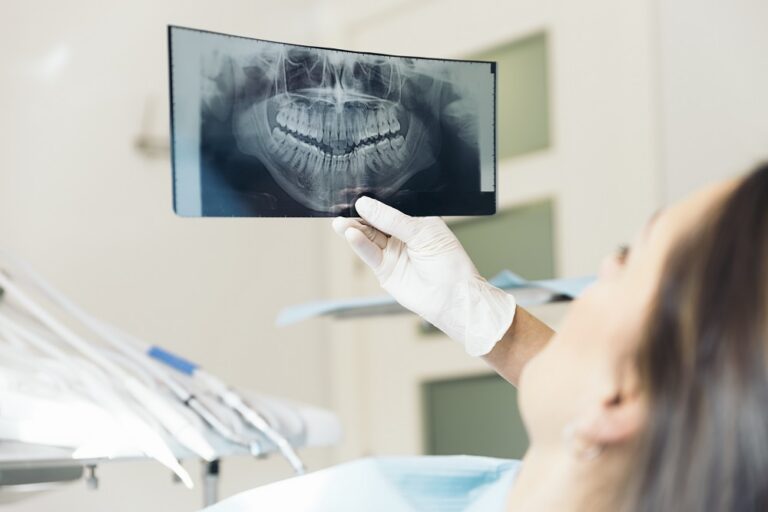
A common pattern goes like this: the patient has not had strong pain, so they assume the gums are basically fine. Then a dental exam reveals 5 to 7 millimeter pockets, bleeding on probing, and radiographic evidence of bone loss. This gap between how it feels and what is happening biologically is one reason gum disease causes so much preventable damage.
Why early periodontal treatment changes the outlook
One of the most encouraging parts of periodontal care is that early intervention can be highly effective. If the disease is identified before major bone destruction, many patients can stabilize their condition and keep their teeth for many years with a combination of professional treatment and disciplined home care.
The purpose of treatment is straightforward. Reduce the bacterial load. Eliminate or shrink the diseased pockets. Give the tissue a chance to heal. Make the mouth easier to maintain moving forward. When that happens, inflammation drops, bleeding decreases, and the environment becomes less favorable for destructive bacteria.
Patients sometimes ask whether gum disease can be “cured.” A more realistic and useful way to frame it is this: periodontal disease can often be controlled successfully, but it requires maintenance. Once a patient has lost some attachment or bone support, that history matters. The mouth may remain more vulnerable, especially if smoking, diabetes, dry mouth, stress, or inconsistent home hygiene are part of the picture.
For that reason, periodontal treatment in Ventura is not just about a single procedure. It is about long-term management of a chronic condition, much like managing high blood pressure or joint degeneration. When patients understand that, they make better decisions and tend to keep better outcomes.
What periodontal treatment usually involves
The exact treatment plan depends on the severity of the disease, the depth of the pockets, the patient’s medical history, and how much bone support remains. Not every person needs surgery. Many improve significantly with non-surgical therapy, especially if the condition is caught early to moderate in its progression.
In straightforward cases, treatment often begins with scaling and root planing. This deep cleaning removes hardened deposits and bacterial buildup from beneath the gumline and smooths the root surfaces so the gums can reattach more favorably. The area may be numbed, and treatment may be completed over more than one visit depending on how much inflammation is present.
If pockets remain deep after initial therapy, further care may be recommended. Sometimes that means localized antimicrobials, more targeted debridement, bite adjustment where traumatic forces are contributing, or referral for periodontal surgery. Surgical treatment may sound intimidating, but in the right case it can be the step that saves teeth by reducing pocket depth and improving access for cleaning. Regenerative procedures may also be considered in select defects where rebuilding some lost support is possible.
A typical care pathway may include:
- Comprehensive periodontal charting and radiographs to measure pocket depths, bleeding, recession, and bone levels.
- Scaling and root planing to remove plaque and calculus below the gumline.
- Re-evaluation several weeks later to assess healing and identify areas that still need attention.
- Periodontal maintenance visits at shorter intervals, often every three to four months rather than every six.
- Surgical therapy or specialist care when deep pockets, furcation involvement, or advanced bone loss remain.
This process is less glamorous than cosmetic dentistry, but it is often far more important. Saving a patient’s own teeth and preserving chewing function changes daily life in a profound way.
The link between periodontal disease and loose teeth
Many patients do not connect gum disease with tooth mobility until they can physically feel movement. By then, the support system has usually been compromised for some time. Teeth become loose for a few reasons. Bone loss removes structural support. Inflamed tissue loses its normal firmness. Changes in the bite can place excessive force on already weakened teeth. In some cases, nighttime grinding speeds the damage.
When periodontal treatment is done at the right stage, it can reduce inflammation enough that slightly mobile teeth feel firmer over time. That does not mean the bone magically returns to its original level, but it does mean the environment becomes more stable. If mobility is related partly to swelling and traumatic bite forces, treatment can make a dramatic difference in comfort and function.
Advanced mobility is a harder situation. If a tooth has lost too much surrounding bone, the long-term prognosis may be poor even after infection is controlled. This is where clinical judgment matters. Some teeth can be splinted and maintained. Some can be managed for years with thoughtful care. Others need to be removed because keeping them compromises neighboring teeth or leaves the patient in ongoing discomfort. Good periodontal care is not about saving every tooth at all costs. It is about preserving the healthiest, most functional dentition possible.
Why maintenance visits are where tooth loss is truly prevented
A lot of patients think the main event is the deep cleaning or periodontal procedure. In reality, the long game is won or lost at maintenance. Once a patient has a history of periodontal disease, standard six-month cleanings may not be enough. Bacterial repopulation below the gumline can happen quickly, especially in deeper pocketed areas and around difficult root anatomy.
Periodontal maintenance is more than a routine polish. It includes close monitoring of pocket depths, bleeding sites, recession, plaque retention patterns, and areas where calculus tends to return. Radiographs may be updated when bone changes need to be reassessed. Home care techniques are refined as needed. If an area starts to relapse, it can be addressed before major damage occurs.
This matters because periodontal disease often behaves in bursts. A patient may look stable for a while, then develop new inflammation around one molar or see accelerated breakdown in a single quadrant. Regular maintenance catches these changes early. That is often what prevents a manageable problem from becoming a tooth loss problem.
In communities like Ventura, where people juggle work, family schedules, outdoor activities, and long stretches between appointments if they are not careful, https://keeganifbl829.rivertonbrief.com/posts/periodontal-treatment-ventura-for-mild-moderate-and-severe-gum-disease maintenance can slip. The patients who keep their teeth longest are usually not the ones with perfect genetics. They are the ones who stay engaged with follow-up care.
Home care is not optional, but it has to be realistic
Patients sometimes leave a periodontal visit motivated enough to buy every tool in the oral care aisle. That enthusiasm rarely lasts unless the routine is practical. A complicated system used for four days is less helpful than a simple routine followed every night.
The essentials are consistent plaque disruption along the gumline and between the teeth. For some patients, floss works well. For others, interdental brushes are more effective, especially where there is recession or spacing. Electric toothbrushes can help people who tend to rush manual brushing or miss the back molars. Water flossers can be useful adjuncts, particularly around bridges, implants, or areas with difficult access, but they should not be seen as a full substitute for mechanical cleaning between teeth.
The habits that tend to support better gum stability include:
- brushing thoroughly twice a day with attention to the gumline
- cleaning between the teeth daily with the tool that fits the patient’s anatomy
- keeping periodontal maintenance appointments on schedule
- managing risk factors such as smoking and uncontrolled diabetes
- reporting bleeding, swelling, or shifting teeth early instead of waiting for pain
The most successful patients are not always the most meticulous. They are often the ones who are coachable. They pay attention to what is changing in their mouth and adjust before the condition worsens.
The role of smoking, diabetes, stress, and age
Not every case of periodontal disease behaves the same way. Two patients can have similar plaque levels and very different outcomes because risk factors change how the body responds. Smoking remains one of the strongest negative influences in periodontal health. It reduces blood flow, masks bleeding, impairs healing, and increases the chance that treatment will be less predictable. Smokers often present with more severe destruction and fewer obvious warning signs, which makes regular exams even more important.
Diabetes is another major factor, particularly when blood sugar is poorly controlled. There is a well-established two-way relationship between diabetes and gum disease. Elevated blood glucose can worsen periodontal inflammation, and active periodontal disease can make glycemic control more difficult. Patients do best when dental and medical care are not treated as separate silos.
Stress and clenching deserve mention as well. Stress does not directly cause periodontal disease, but it can weaken consistency around self-care, affect immune response, and contribute to grinding or clenching that overloads already vulnerable teeth. Age also shapes the picture, though not in the simplistic way many assume. Gum disease is not inevitable with age. What increases over time is cumulative exposure to plaque, restorations, recession, medical conditions, and habits that make certain areas harder to clean. A healthy 70-year-old with disciplined maintenance may have a more stable periodontium than a 40-year-old who smokes and skips cleanings.
What advanced cases can still gain from treatment
Once a patient hears the phrase “bone loss,” it is easy for them to assume the situation is hopeless. That is not always true. Even advanced cases can benefit significantly from periodontal therapy. The goal may shift from reversing damage to preserving comfort, slowing further breakdown, and keeping strategic teeth long enough to support function.
For example, a patient with moderate to severe periodontitis may still avoid widespread extractions if inflammation can be controlled and the most compromised teeth are managed thoughtfully. Sometimes that involves saving key teeth to support a partial denture. In other cases, stabilizing the mouth creates a better foundation for future restorative work, including implants, bridges, or limited orthodontic correction if spacing and migration have become issues.
What matters most is a realistic treatment plan. Overpromising is a mistake. So is undertreating a mouth that clearly needs periodontal intervention. The best outcomes usually come from direct communication about prognosis, effort, cost, and timing.
Why local access to periodontal care in Ventura matters
Periodontal disease is not resolved in a single dramatic visit. It requires evaluation, treatment, re-evaluation, and maintenance over time. That makes local access important. Patients are more likely to stay on track when care is convenient enough to fit real life. A provider who can monitor subtle changes over several years often spots patterns that a fragmented system would miss.
Ventura patients also benefit when treatment recommendations are tailored to local habits and routines. Someone who surfs early, works outdoors, or travels frequently for work may need a different maintenance strategy than someone with a highly predictable office schedule. Dry mouth from certain medications, dietary habits, and stress patterns all influence how the gums behave. Good care considers those practical details rather than offering generic advice.
When people search for Periodontal Treatment Ventura, what they often need is not just a procedure, but a partner in preserving their natural teeth. That means careful diagnostics, honest prognosis discussions, and maintenance plans that patients can actually follow.
The financial argument for treating gum disease early
Many patients delay treatment because the gums do not hurt enough to justify the expense. That logic often backfires. Early periodontal treatment is usually less invasive, less costly, and less disruptive than dealing with tooth loss later. Once a tooth is lost, replacement options such as implants, bridges, grafting, or partial dentures bring their own costs and clinical limitations.
A tooth that can be retained with timely periodontal therapy is almost always worth serious consideration. Natural teeth provide feedback, preserve chewing efficiency, and avoid the adaptation period that comes with prosthetic replacements. Even when replacement is possible, it is still replacement. It is rarely simpler than preserving what is already there.
This is not to say every compromised tooth should be saved. Some should not. But from both a biological and financial standpoint, earlier intervention gives patients more options and better odds.
What to do if you suspect a problem
If your gums bleed regularly, your breath seems persistently off, your teeth look longer, or chewing feels different on one side, it is worth having the area evaluated. Waiting for pain is a poor strategy with periodontal disease because pain is often absent until the problem is advanced. A periodontal exam can clarify whether the issue is mild gingivitis, established periodontitis, localized trauma, or something else entirely.
For many patients, the first step is simply hearing the condition explained clearly. Once they understand that tooth loss is often preventable, the treatment feels less like an inconvenience and more like an investment in daily function. That shift in perspective tends to improve follow-through.
Periodontal treatment in Ventura helps prevent tooth loss because it addresses the cause, not just the symptoms. It removes the infection, reduces destructive inflammation, preserves the supporting bone as much as possible, and creates a structure for long-term maintenance. Teeth do not usually disappear because of one bad day. They are lost when small warning signs are ignored and chronic disease is allowed to do its work. Managed early and monitored well, that story can change.
Avra Dental
Address: 1708 S Victoria Ave B, Ventura, CA 93003
Phone number: (805) 941-1001
FAQ About Periodontal Treatment Ventura
Can a dentist get rid of periodontal disease?
A dentist or gum specialist (periodontist) cannot fully cure or reverse advanced periodontal disease (periodontitis), but they can successfully stop its progression and manage the infection.
Is periodontitis very serious?
Yes, periodontitis is a very serious, advanced form of gum disease that destroys the bone and tissues supporting your teeth.
How is stage 2 periodontal disease treated?
Stage 2 periodontal disease (early to moderate periodontitis) is primarily treated with non-surgical deep cleaning procedures like scaling and root planing to remove bacteria and tartar below the gumline.